

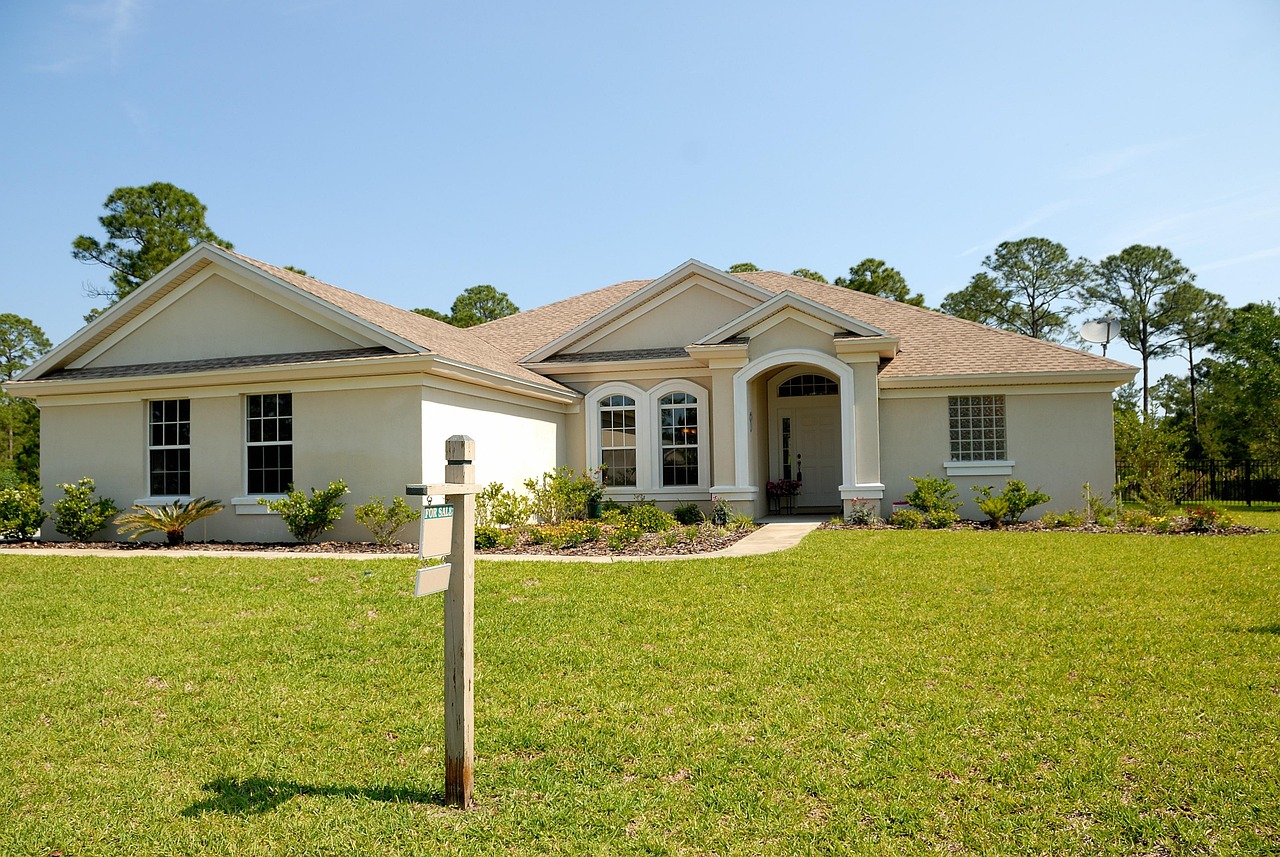
A purchase mortgage is a loan specifically designed to help individuals buy a home by providing the necessary funds upfront, which they repay over time with interest. It is a key financial tool that enables people to transition from renting or saving to actual homeownership. Understanding the components of a purchase mortgage, such as down payments, interest rates, and amortization periods, is essential for making informed decisions.
Navigating the mortgage landscape involves comparing different lenders, mortgage types, and terms to find an option that aligns with one’s financial situation and long-term goals. Professionals like mortgage brokers can simplify this process by offering access to multiple lenders and mortgage products. With the right knowledge and preparation, obtaining a purchase mortgage becomes a manageable step in securing a property.
Understanding Purchase Mortgage
A purchase mortgage is a key financial tool that helps buyers acquire property by borrowing funds. It involves specific types, conditions, and qualifications that distinguish it from other mortgage forms.
What Is a Purchase Mortgage
A purchase mortgage is a loan specifically taken out to finance the purchase of a home or real estate property. The borrower agrees to repay the lender, typically a bank or credit union, over a set period with interest. It is secured by the property itself, which means if the borrower defaults, the lender can claim ownership.
Unlike refinancing, a purchase mortgage is used only when buying a property, not to alter the terms of an existing loan. The mortgage is registered with provincial or territorial land registry offices, creating a legal claim on the property until the debt is paid off.
Types of Purchase Mortgages
Purchase mortgages can be categorized mainly into traditional mortgages and purchase-money mortgages. Traditional mortgages are funded by financial institutions and involve a third-party lender.
Purchase-money mortgages, also known as seller financing, occur when the property seller lends money directly to the buyer. This arrangement can simplify the buying process and sometimes reduce the need for qualifying through multiple lenders.
Each type has benefits and drawbacks; traditional mortgages often offer competitive rates and terms, while seller financing allows more flexible negotiation but may come with higher risk or stricter payment conditions.
Purchase Mortgage vs. Refinance
A purchase mortgage is a loan used to buy a new property, while refinancing involves paying off an existing mortgage with a new loan to change the terms or take advantage of better interest rates.
Refinancing helps homeowners reduce monthly payments, access equity, or change mortgage length but does not involve buying property. Conversely, purchase mortgages trigger property registration and transfer of ownership, key steps that differentiate them legally and functionally.
Understanding this difference is essential for buyers deciding whether to enter the market or manage existing debt.
Eligibility Requirements
To qualify for a purchase mortgage, applicants usually need a down payment, proof of income, creditworthiness, and debt-to-income ratio within lender guidelines.
Down payments typically range from 5% to 20% of the purchase price, depending on the type of mortgage and location. Lenders assess credit scores and employment stability to determine risk.
Certain conditions, such as first-time homebuyer programs, may adjust eligibility criteria. Mortgage insurance may also be required if the down payment is below a specific threshold. Understanding these eligibility factors helps buyers prepare for the application process effectively.
How to Apply for a Purchase Mortgage
Applying for a purchase mortgage involves several precise steps and requires specific documentation. Prospective borrowers must navigate common challenges to improve their chances of approval and a smooth mortgage process.
Step-by-Step Application Process
The process begins with assessing financial readiness, including income, debts, and credit score. The borrower then gets pre-approved by a lender, which provides an estimate of how much they can borrow based on their financial profile.
Next, the borrower completes a formal mortgage application. This includes selecting the mortgage type, term, and amortization period. After submission, the lender reviews the application and performs a stress test to ensure the borrower can handle payments even if interest rates rise.
Once approved, the lender issues a mortgage commitment letter. The borrower then finalizes the purchase by completing the sale, registering the mortgage, and arranging insurance coverage.
Required Documentation
Key documents include government-issued identification, proof of income (pay stubs, tax returns, or employment letters), and recent bank statements. Borrowers must also provide credit history reports and details of outstanding debts.
Property-related documents are necessary, such as the purchase agreement and appraisal report. The lender may request additional paperwork to verify down payment sources or other financial assets.
Organizing these documents early minimizes delays. Accuracy in documentation is crucial to avoid processing setbacks or application rejection.
Common Challenges and Solutions
One frequent issue is insufficient credit scores, which can delay or prevent approval. Borrowers may need to improve credit by paying down debts and correcting errors on their credit reports.
Another challenge is meeting the stress test requirements, which ensures borrowers can afford mortgage payments if rates increase. Increasing gross income or reducing debt helps meet this standard.
Delays often arise from incomplete documentation. Staying organized and responding promptly to lender requests reduces the risk of delays. Consulting a mortgage professional can provide guidance tailored to specific situations.