

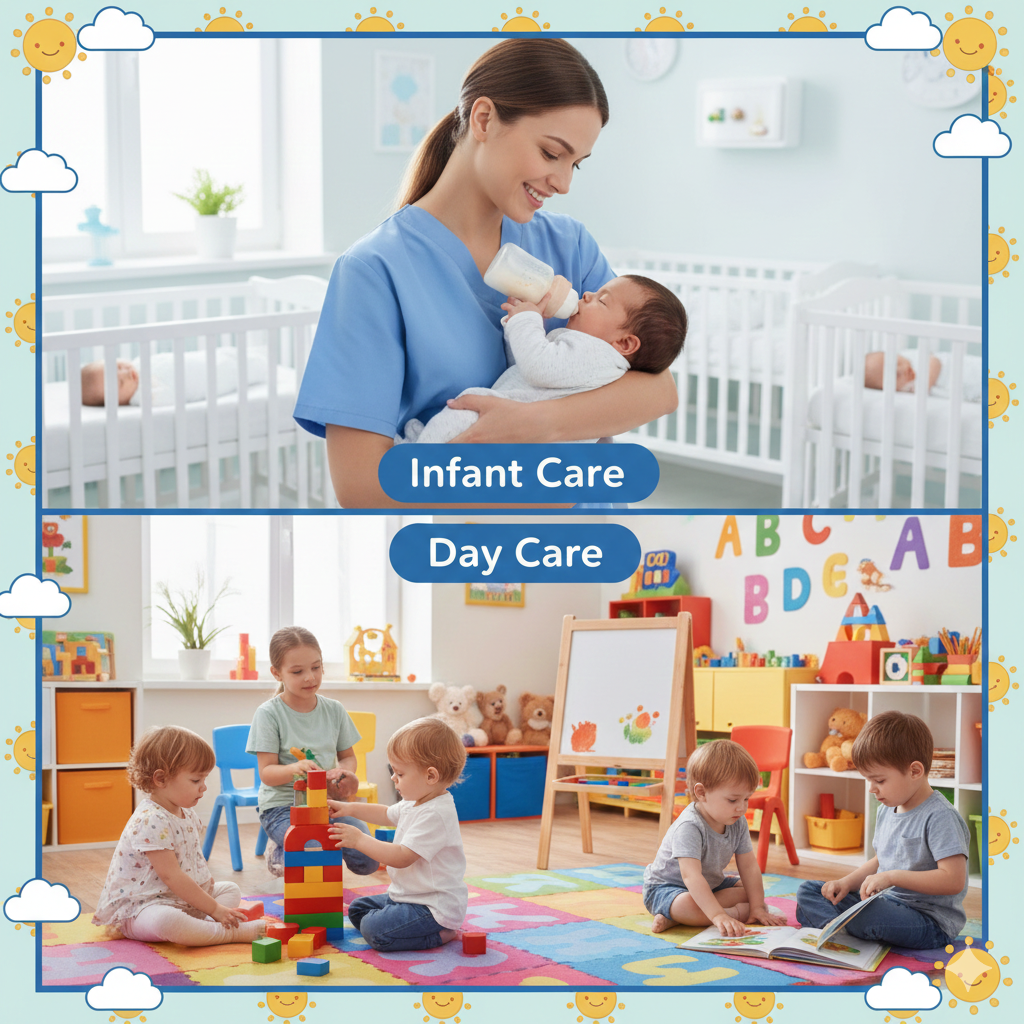
Finding a suitable preschool near me is essential for parents seeking a safe, nurturing, and educational environment for their young children. Many options exist, including international, bilingual, and Montessori-based programs, catering to different educational philosophies and family needs. The best preschool near someone’s location typically balances quality teaching, a supportive atmosphere, and a curriculum that encourages early development.
Preschools vary in approach and focus, from language immersion and creative play to structured learning and outdoor activities. Locations in urban areas like Prague offer diverse choices such as Czech-English Montessori schools or British curriculum programs, allowing families to select based on their priorities for language, culture, or pedagogy. Understanding what each preschool offers helps in making an informed decision that supports the child’s growth and well-being.
How to Find the Best Preschool Near Me
Finding the best preschool involves careful consideration of available programs, teaching methods, legal standards, and the learning environment. It requires balancing priorities like educational quality, safety, and convenience to ensure a suitable fit for the child’s needs.
Research Local Preschool Options
Start by identifying preschools within a reasonable distance from home or work. Use online tools, parent reviews, and local directories to create a list of potential centers. Pay attention to the types of programs offered, such as full-time, part-time, in-home care, or toddler-specific options.
Comparing tuition and additional fees is crucial, along with available financial aid or subsidized programs if budget constraints exist. Make sure to note program schedules and enrollment procedures, as some preschools may have waitlists or seasonal registration periods.
Evaluate Curriculum and Learning Approaches
Understanding the curriculum helps gauge if a preschool’s teaching style aligns with the child’s developmental needs and family values. Look for programs that emphasize age-appropriate activities, social skills, and foundational academic concepts.
Some preschools follow structured curricula like Montessori, Reggio Emilia, or play-based learning, each with distinct philosophies. Consider if the approach encourages creativity, independence, or group collaboration, and whether it supports the child’s interests and temperament.
Ask about language exposure, diversity of activities, and how they incorporate physical, cognitive, and emotional development into daily routines.
Check Licensing and Accreditation
Confirm that the preschool meets your state’s licensing requirements, which ensure basic health, safety, and staffing standards. Licensing information is usually available through state education or childcare licensing agencies online.
Accreditation from organizations such as the National Association for the Education of Young Children (NAEYC) indicates a higher level of quality and professional standards, but it is not mandatory. Accreditation verifies continuous improvement and adherence to best practices.
Review inspection reports or any history of violations to ensure compliance and transparency. Licensing and accreditation provide a legal and quality framework for safe and effective preschool education.
Visit and Assess School Facilities
A physical visit offers insight into the environment beyond online descriptions or brochures. Note cleanliness, classroom size, and the ratio of teachers to children. Engage with staff to observe their professionalism and warmth.
Inspect outdoor play areas for safety, equipment quality, and supervision. Check that learning materials are accessible and age-appropriate. Observe routine practices such as drop-off and pick-up procedures, hygiene, and emergency preparedness.
The overall atmosphere should feel welcoming and secure, supporting a positive experience for children and parents alike.
Key Factors to Consider When Choosing a Preschool
Choosing the right preschool involves evaluating specific qualities that impact a child’s early learning and development. Important elements include the skills and training of the teachers, the safety and setup of the learning space, and the variety of programs that support growth beyond basic academics.
Teacher Qualifications and Experience
A preschool’s teaching staff should have relevant certifications and formal training in early childhood education. This ensures they understand developmental milestones and effective teaching strategies. Experience working with young children is equally important, as it supports positive interaction and responsive care.
Teachers who engage in ongoing professional development tend to offer higher quality education and adapt well to children’s individual needs. Staff turnover rates can also indicate the preschool’s environment; low turnover suggests stability and satisfaction among educators.
Prospective parents should ask about teacher-to-child ratios. Smaller groups allow more personalized attention, improving learning outcomes. Credentials, continued training, and a nurturing approach are key indicators of qualified teachers.
Classroom Environment and Safety
A preschool’s physical space should be clean, well-maintained, and free from hazards. Childproofing measures are essential, including secure doors, safe furniture, and supervised play areas.
Natural light, age-appropriate materials, and designated learning zones support a positive classroom atmosphere. Classrooms arranged to balance quiet areas with active play encourage both focused learning and social interaction.
Safety protocols such as emergency plans, staff background checks, and supervision standards must be verified. Communication about health policies, including illness prevention and hygiene, is also critical for protecting children’s well-being.
Enrichment Programs and Activities
Enrichment programs add value beyond basic curriculum subjects like reading and math. These can include music, art, physical education, and outdoor play, all of which contribute to holistic development.
Look for preschools that integrate play-based learning with structured activities. Programs aligned with educational philosophies such as Montessori or Reggio Emilia often emphasize creativity and exploration.
Parent involvement opportunities and regular updates on children’s progress enhance the preschool experience. This combination of varied programs and family engagement supports cognitive, social, and emotional growth effectively.