

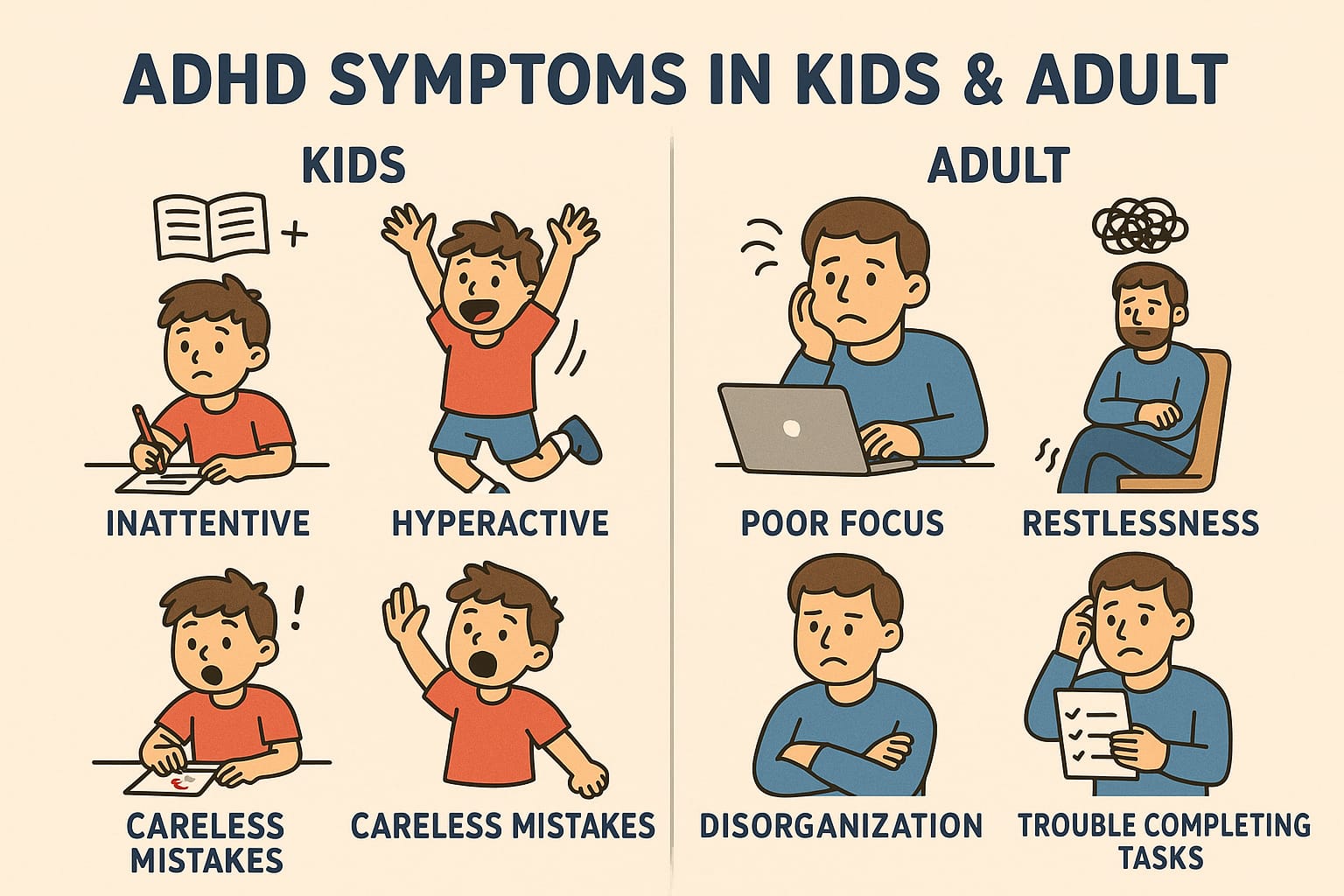
Online ADHD treatment offers a practical solution for individuals seeking diagnosis and management without the delays often associated with traditional in-person care. It provides access to licensed professionals who can assess symptoms, prescribe medication, and recommend personalized strategies for daily life and work. This approach allows patients to receive comprehensive ADHD care quickly and conveniently, often within days.
Many platforms now combine evidence-based methods with flexible scheduling, making treatment accessible from home. Services can include therapy, medication management, and support for academic or workplace accommodations. The use of telehealth eliminates common barriers such as travel time and limited local providers.
As awareness grows, online ADHD treatment continues to evolve, offering a range of options tailored to individual needs. It enables ongoing monitoring and adjustments, ensuring care remains effective and responsive throughout the treatment journey.
Understanding Online ADHD Treatment
Online ADHD treatment combines digital tools and professional care to offer diagnosis, medication management, and therapy remotely. It uses technology to replicate many traditional clinical services, adding convenience and broader access to patients regardless of location.
How Online ADHD Treatment Works
Online ADHD treatment begins with an initial evaluation using digital questionnaires and video consultations. Licensed clinicians assess symptoms to establish a diagnosis, often reviewing medical history and behavioral patterns.
After diagnosis, treatment plans are created and managed through virtual visits. Patients can receive prescriptions electronically, including stimulant and non-stimulant medications, when appropriate. Follow-up appointments monitor progress and adjust treatment as necessary.
Platforms often integrate tools like symptom trackers and electronic health records. This coordination supports continuous care while facilitating communication between patients and providers.
Benefits of Virtual ADHD Diagnosis and Care
Virtual ADHD treatment eliminates geographic barriers, making care accessible to those in remote or underserved areas. It offers flexible scheduling, reducing time and travel costs for patients.
Privacy and comfort are enhanced since patients connect from their own home. Many find reduced anxiety compared to visiting a traditional office.
Online care frequently accepts insurance and provides affordable options. Users benefit from quicker appointment availability and streamlined medication management through digital platforms.
Common ADHD Medications and Therapy Approaches
Medication typically includes stimulants such as Adderall and methylphenidate, which help increase focus and reduce impulsivity. Non-stimulant options like atomoxetine are also used when stimulants are contraindicated.
Therapies encompass cognitive behavioral therapy (CBT), coaching, and skills training. These help build organizational strategies, emotional regulation, and coping mechanisms.
Online treatment providers often combine medication with therapy in coordinated plans. This dual approach improves overall outcomes by addressing both neurological and behavioral components of ADHD.
Choosing the Right Online ADHD Provider
Selecting the best online ADHD provider involves closely examining qualifications, platform features, and data protection. It requires understanding who delivers care, how treatment is structured, and the measures in place to keep personal information secure.
Evaluating Licensed Professionals
A provider’s credentials are crucial when seeking online ADHD treatment. Look for licensed psychiatrists, psychologists, or nurse practitioners specialized in ADHD diagnosis and management. Proper licensing ensures compliance with state regulations and adherence to clinical standards.
Experience with ADHD is equally important. Providers who focus on ADHD tend to be more familiar with the latest diagnostic criteria, medication options, and behavioral therapies. Confirm whether the provider offers medication management, therapy, or coaching based on individual needs.
Check if the platform conducts thorough initial evaluations. These should include clinical interviews and standardized assessments rather than quick online forms. Transparency about qualifications and clear communication channels further indicate a trustworthy professional.
Comparing Treatment Platforms
Online ADHD platforms differ significantly in services, pricing, and technology. Some specialize in medication management, including prescribing stimulants where legal, while others emphasize therapy or coaching.
Key factors to compare include:
- Range of services: medication, therapy, coaching
- Insurance acceptance: coverage varies; some are out-of-pocket only
- Cost structure: flat fees, monthly subscriptions, or per session
- Ease of use: app or web interface functionality, appointment flexibility
For example, platforms like Talkiatry allow insurance use and provide medication options. Others might offer therapy but charge out of pocket. Review user feedback on reliability and responsiveness.
Choosing a platform that matches one’s budget and treatment goals enhances the chances of consistent care and symptom improvement.
Privacy and Security Considerations
Protecting health data is a legal and ethical obligation for online ADHD providers. Patients should verify that the platform uses HIPAA-compliant technology to ensure confidentiality.
Look for clear privacy policies describing how data is stored, shared, and protected. End-to-end encryption for video sessions and secure portals for uploading medical records are essential.
Beware of platforms with vague or missing information on privacy. Secure billing practices and controlled access to personal data minimize risks of breaches.
Patients should also confirm whether the provider can legally offer services in their state and how data is handled if treatment crosses state lines. This vigilance helps maintain trust and safeguards sensitive information throughout care.