

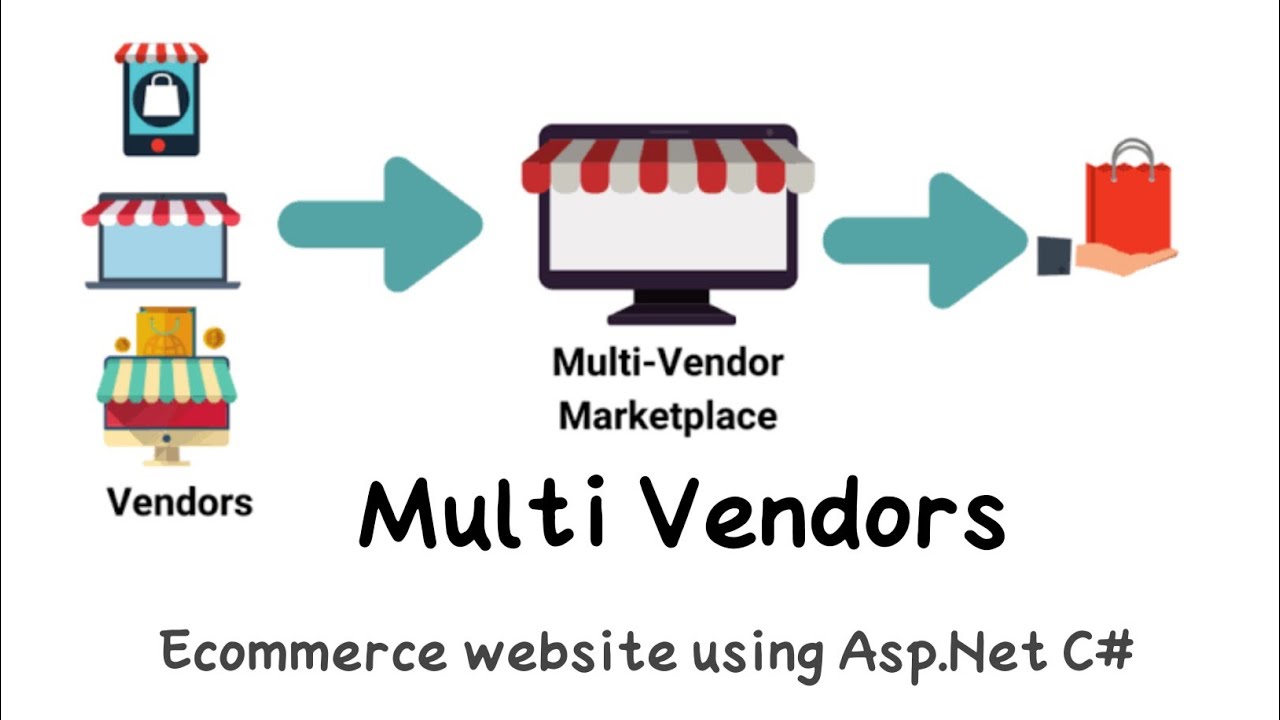
In today’s rapidly evolving eCommerce environment, businesses are looking for scalable, flexible ways to connect buyers and sellers in one digital space. A multi‑vendor marketplace platform delivers exactly that — enabling multiple independent sellers to offer products or services under a single online storefront. This model has transformed how online commerce works by combining variety, convenience, and operational efficiency into one powerful ecosystem.
Unlike a traditional single‑vendor eCommerce site, a multi‑vendor marketplace allows numerous sellers to coexist, each managing their own product listings while the platform owner oversees overall operations and user experience. This setup caters to modern consumer expectations and gives businesses an edge in competitive markets.
What Is a Multi‑Vendor Marketplace Platform?
A multi‑vendor marketplace platform is a digital commerce solution that functions as an online marketplace for many sellers. Sellers register on the platform, create their own storefronts, list products or services, and manage their own sales operations. Customers can browse offerings from different vendors, compare options, and make purchases all within a unified shopping experience.
This model mirrors well‑known marketplaces like Amazon and Etsy, where a diverse seller base contributes to a rich product catalog that attracts more buyers and increases engagement.
Key Features of an Effective Marketplace Platform
Successful multi‑vendor platforms include several core features designed to support scalability, vendor autonomy, and streamlined operations:
Vendor Management and Dashboards
Each seller needs an intuitive dashboard to upload products, manage inventory, monitor sales, and track orders. Comprehensive vendor tools empower sellers to run their stores efficiently.
Product Catalog and Search
A flexible product system with filters, tags, and advanced search options helps customers find what they need quickly. Robust catalogs also contribute to higher engagement and sales.
Secure Payment Processing
Integrated payment gateways and automated vendor payouts simplify financial transactions. Platforms can handle split payments and manage commission structures that benefit both sellers and the marketplace owner.
Ratings and Reviews
Customer reviews and seller ratings build transparency and trust. This feedback loop encourages quality service and helps buyers make informed decisions.
Analytics and Reporting
Built‑in analytics give sellers and administrators insights into sales performance, customer behaviour, and marketplace trends. Data‑driven decisions are key to optimizing growth.
These features create a marketplace that functions smoothly for buyers, sellers, and administrators alike.
Business Benefits of a Multi‑Vendor Marketplace
Adopting a multi‑vendor marketplace model unlocks several strategic advantages:
Diversified Product Offering
With multiple sellers contributing products or services, marketplaces can maintain a broad and ever‑expanding catalog. This variety attracts more customers and increases time spent on the platform.
Operational Efficiency
Unlike traditional eCommerce stores, the marketplace owner doesn’t need to hold inventory or manage shipping directly. Vendors take on those responsibilities, reducing operational complexity and overhead.
Multiple Revenue Streams
Marketplace owners earn revenue through commissions, subscription fees, advertising, featured listings, and transaction charges. These diverse income streams support long‑term profitability.
Scalability
As more vendors join the platform, the marketplace naturally grows with minimal incremental effort from the administrator. This scalability is one of the model’s biggest strategic advantages.
Improved Customer Experience
Customers benefit from the convenience of diverse product choices and competitive pricing, all within one platform. An intuitive user experience paired with secure payment options improves conversion rates.
Why Businesses Invest in Multi‑Vendor Marketplace Platforms
Many businesses build multi‑vendor marketplace platforms to tap into new revenue opportunities and expand market reach. For B2B companies, these platforms open doors to:
-
Broader supplier networks
-
Efficient partner collaboration
-
Enhanced operational tools
-
Flexible monetization models
-
Data insights that inform strategic decisions
In a digital landscape where customers expect variety and convenience, a multi‑vendor marketplace platform positions businesses to deliver both while driving scalable growth.
Final Thoughts
A multi‑vendor marketplace platform represents a modern evolution of online commerce one that leverages diversity, technology, and strategic design to benefit buyers, sellers, and platform owners alike. For businesses ready to expand and innovate, Mindrind investing in a marketplace model delivers improved efficiency, enhanced user experiences, and sustainable growth opportunities in today’s competitive digital ecosystem.