

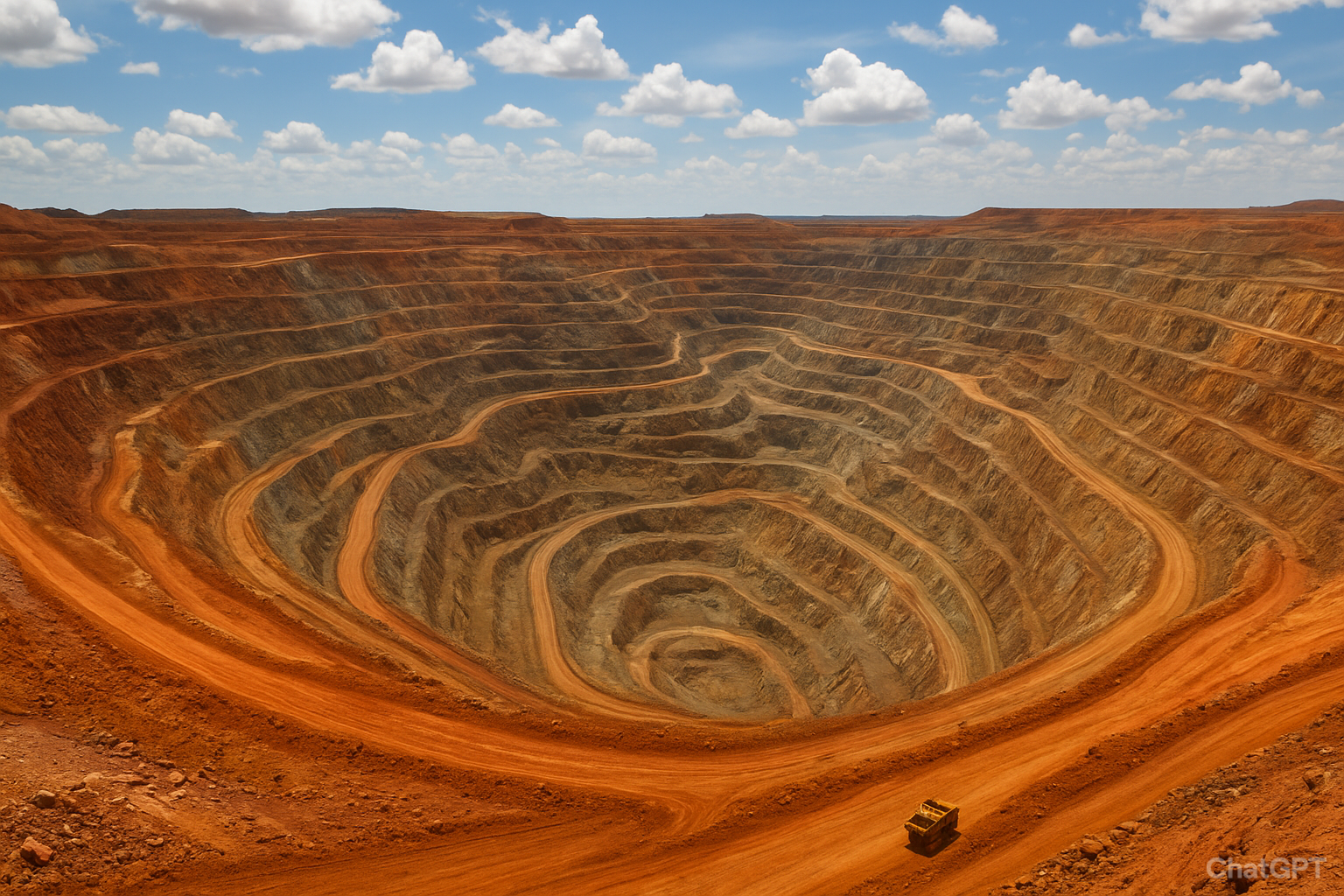
Mining in Michigan has a long and varied history, focused primarily on extracting valuable minerals like iron, copper, and silver. The state remains important for several mineral industries, including metallic mining, sand, and industrial materials, with both historic and active sites scattered across its landscape.
Michigan currently has over 1,800 identified mines, including operations producing iron ore, copper, and potash, making it a significant contributor to the nation’s mining sector. Recent developments also show growing interest in minerals critical for modern technologies, such as nickel and copper used in batteries for electric vehicles.
The state’s Upper Peninsula holds some of the most valuable mineral deposits, including undeveloped sites like the Back Forty mine, which has sparked debate over economic benefits and environmental concerns. This dynamic blend of tradition and innovation keeps Michigan a key player in the mining industry today.
Overview of Mining in Michigan
Mining in Michigan has shaped its economy and landscape through the extraction of key minerals, concentrated mostly in specific regions. Multiple companies operate throughout the state, maintaining Michigan’s role as a vital contributor to mineral production. The mining industry spans historic roots and modern developments centered on essential industrial and battery metals.
History of Mining Activities
Mining in Michigan dates back over 150 years, with Native Americans as the earliest miners, notably harvesting native copper for tools and trade. The 19th century saw the rise of copper mining in the Upper Peninsula, making the state a pioneer in the U.S. copper industry. Iron ore mining also became critical during this period.
Industrial growth was fueled by these activities, supporting infrastructure and manufacturing. Although some historic mines have closed, mining has experienced a resurgence due to modern demand for metals like nickel and copper, integral to electric vehicle batteries. The Upper Peninsula remains the heart of active mining, blending legacy operations with new exploration.
Major Minerals Extracted
Michigan’s mining industry focuses on several key minerals:
- Copper: Historically dominant and still extracted for industrial and battery uses.
- Iron ore: Vital for steel production, with legacy mines scattered across the Upper Peninsula.
- Nickel: Growing in importance, particularly for battery technology.
- Construction materials: Cement, sand, and gravel are widely mined for use in construction.
The combined value of mineral production is roughly $2.5 billion annually. These minerals support manufacturing and infrastructure not only in Michigan but broadly across the U.S.
Key Mining Regions
The Upper Peninsula (U.P.) is Michigan’s primary mining zone. It is especially known for copper and iron ore deposits, alongside expanding nickel exploration. The Marquette and Menominee iron ranges are historically significant sources of iron ore.
Mining also occurs throughout other counties in the state, supplying diverse minerals like construction aggregates. The geography of Michigan encourages both surface and underground mining methods, adapting to the types of deposits across regions.
Notable Mining Companies
Several companies operate in Michigan, maintaining active mines and exploration projects. Key players include:
| Company | Core Minerals | Region |
| Lundin Mining | Copper, Nickel | Upper Peninsula |
| Cliffs Natural Resources | Iron Ore | Marquette Range |
| Other regional operators | Cement, Sand, Gravel | Various Counties |
These companies contribute directly to over 9,000 mining jobs in the state and invest in sustaining Michigan’s mineral industry through technology and reclamation efforts.
Environmental and Economic Impacts
Mining in Michigan influences both natural habitats and the state’s economy through job creation, resource supply, and regulatory oversight. The sector faces challenges balancing environmental protection with economic demands, while engaging local communities in its operations and impact management.
Effects on Local Ecosystems
Mining activities, especially metallic and aggregate mining, affect ecosystems by altering land, disrupting wildlife habitats, and risking water contamination. Projects near Lake Superior, like the White Pine North mine, raise concerns about tailings management and potential pollution of vital water resources.
Environmental precautions are mandated to reduce these impacts. Michigan enforces strict reclamation standards to restore mined land and protect water quality. However, aggregate mining still poses risks to farmland and natural areas, contributing to habitat loss and pollution.
Economic Contributions and Job Creation
Mining contributes approximately $2.5 billion annually to Michigan’s economy. It supports around 9,100 direct jobs statewide and supplies essential raw materials for manufacturing and construction industries.
The sector’s economic benefits extend to communities in the Upper Peninsula, where mines like Eagle and Copperwood underpin local development. State investments, such as a $50 million grant for the Copperwood project, highlight the importance placed on mining as an economic driver despite environmental debates.
Regulations and Compliance
Michigan’s mining industry operates under numerous regulations designed to minimize ecological damage and ensure responsible resource extraction. Since 2004, non-ferrous metallic mining has become more specifically regulated, addressing environmental risks with targeted permitting.
Companies are required to follow protocols for wetland protection, water resource management, and reclamation. Compliance includes obtaining permits and conducting environmental impact assessments. These legal frameworks aim to balance mining operations with sustainable practices.
Community Engagement Initiatives
Mining enterprises increasingly recognize the importance of communication with local communities. Engagement efforts focus on addressing concerns related to environmental impact, health risks, and social disruption.
Many mines establish dialogue platforms to involve residents in decision-making. Transparent reporting and responsiveness to community input help foster conditional acceptance of mining projects, especially amid initial opposition. This collaboration seeks to align economic interests with social responsibility.