

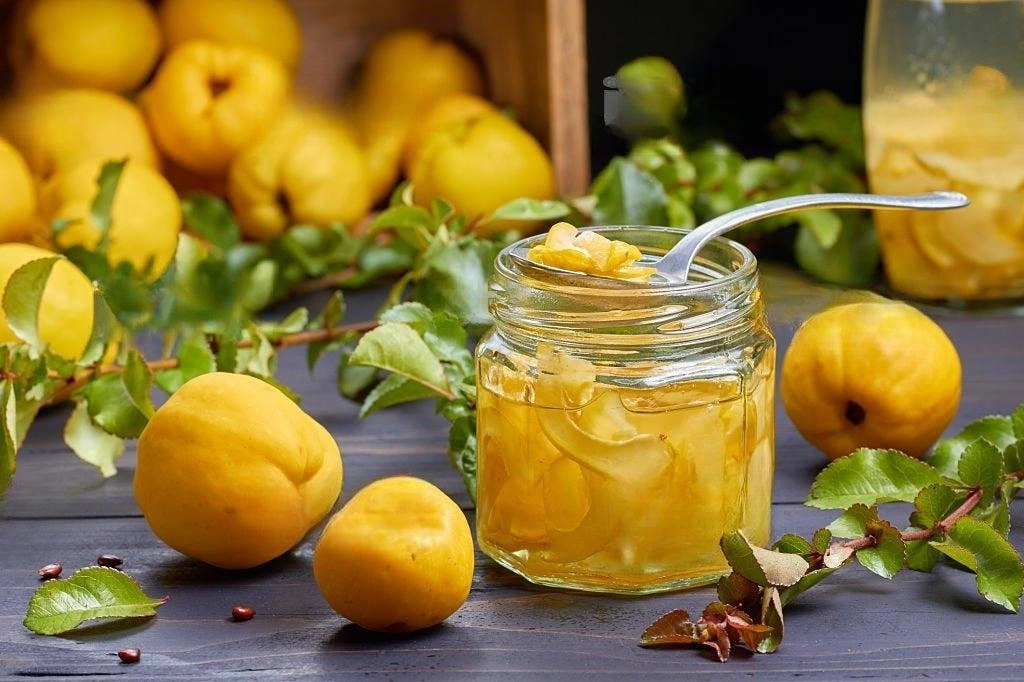
Quince Murabba is a traditional delicacy cherished across South Asia, especially in regions where seasonal fruits are preserved with care and patience. In Pakistan, this golden preserve is valued not only for its rich taste but also for its cultural and nutritional importance. Made from quince, locally known as Bihi, quince fruit in pakistan is transformed into this flavorful murabba that holds a special place in winter kitchens and traditional dastarkhwan.
Introduction to Quince Murabba
Quince Murabba is a slow-cooked fruit preserve prepared with sugar, water, and sometimes aromatic spices. Quince fruit has a firm texture and a naturally tart flavor, which transforms into a fragrant, ruby-colored delight after cooking. Families across Pakistan have been preparing murabba for generations as a way to enjoy seasonal fruits throughout the year.
Quince fruit in Pakistan is mostly available during late autumn and early winter. Its limited season makes murabba an ideal method to extend its use while retaining its health benefits.
Understanding Quince Fruit in Pakistan
Quince fruit in Pakistan is grown mainly in northern regions such as Balochistan, Khyber Pakhtunkhwa, and parts of Punjab with cooler climates. Local markets usually stock quince between October and January. The fruit resembles a pear but has a tougher skin and a slightly fuzzy surface.
Quince is rarely eaten raw due to its hardness and sour taste. Cooking softens the flesh and releases its unique floral aroma, making it perfect for jams, jellies, and murabba. Traditional households value quince for both culinary and medicinal purposes.
Cultural Significance of Quince
In Pakistani culture, murabba is often served with breakfast, paired with paratha or roti. Elders especially appreciate quince murabba for its warming nature during cold months. Many families prepare large batches to share with relatives or store for personal use throughout the year.
Quince murabba is also associated with hospitality. Serving homemade murabba reflects care, effort, and respect for guests, particularly in rural areas.
Nutritional Benefits of Quince Murabba
Quince fruit in Pakistan is known for its nutritional richness. Even after preservation, murabba retains several health-supporting properties when consumed in moderation.
Digestive Support
Quince has natural fiber that supports digestion. Traditional wisdom suggests that quince murabba helps relieve constipation and improves gut health, especially when eaten in small quantities after meals.
Immune System Support
Quince contains vitamin C and antioxidants. During winter, murabba made from quince is often recommended to support immunity and help the body cope with seasonal illnesses.
Energy and Warmth
Sugar-based preserves like murabba provide quick energy. In colder regions of Pakistan, quince murabba is believed to provide warmth and strength, making it a popular winter food.
Traditional Quince Murabba Recipe
Preparing quince murabba at home requires patience but rewards with unmatched flavor and aroma. Below is a traditional method commonly used in Pakistani households.
Ingredients
-
Fresh quince fruit
-
Sugar
-
Water
-
Lemon juice
-
Optional: cloves or cardamom
Preparation Method
Quince fruit is first washed thoroughly to remove fuzz and dirt. After peeling and cutting into slices or cubes, seeds are removed. Pieces are then soaked in water to prevent discoloration.
Sugar syrup is prepared separately by boiling sugar and water until slightly thick. Quince pieces are added and cooked on low heat for several hours or in intervals over a few days. This slow process allows the fruit to absorb syrup and develop its characteristic color. Lemon juice is added near the end to prevent crystallization and enhance flavor.
Once the murabba reaches a glossy texture and deep color, it is cooled and stored in airtight glass jars. Properly stored murabba can last for months.
Modern Variations and Uses
While traditional quince murabba remains popular, modern kitchens in Pakistan have introduced small variations. Some people reduce sugar content for a lighter version, while others add cinnamon or rose water for enhanced aroma.
Quince murabba is no longer limited to breakfast. It is now used as a topping for desserts, paired with yogurt, or served alongside cheese for a fusion touch. Restaurants focusing on traditional cuisine have also started including murabba platters to revive interest in heritage foods.
Market Demand and Availability
Quince fruit in Pakistan has a niche but steady demand. Local farmers supply quince mostly to regional markets rather than large-scale commercial chains. Murabba prepared at home or by small businesses is often sold in local bazaars and online platforms, especially during winter.
Artisan food brands are now packaging quince murabba in attractive jars, targeting health-conscious consumers who prefer traditional flavors with hygienic preparation. This trend has helped revive interest in lesser-known fruits like quince.
Storage and Consumption Tips
Proper storage is essential to maintain the quality of quince murabba. Glass jars with tight lids should be kept in cool, dry places away from direct sunlight. Always use a clean, dry spoon to avoid contamination.
Moderation is key. Despite its benefits, murabba contains sugar and should be consumed in small portions, particularly by individuals managing blood sugar levels.
Conclusion
Quince Murabba represents more than just a sweet preserve. It reflects Pakistan’s culinary heritage, seasonal wisdom, and appreciation for natural ingredients. Quince fruit in Pakistan may not be as common as apples or oranges, but its transformation into murabba gives it lasting value and significance.
From traditional breakfasts to modern fusion dishes, quince murabba continues to find its place in Pakistani kitchens. Preserving this age-old practice not only supports local agriculture but also keeps cultural flavors alive for future generations.