

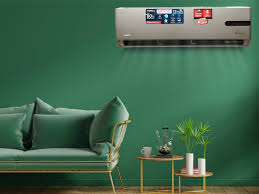
Green construction is transforming modern buildings across residential, commercial, and industrial sectors. This guide explains How Climate Solution and HVAC Support Green Construction 2026 using practical, future-focused strategies. Builders now prioritize sustainability, efficiency, and indoor comfort simultaneously. Choosing the best vrf company plays a major role in achieving sustainable building goals.
Climate challenges and rising energy costs demand smarter construction decisions worldwide. Understanding How Climate Solution and HVAC Support Green Construction 2026 helps developers reduce environmental impact effectively. Modern HVAC systems balance performance, energy savings, and long-term durability. Green buildings increasingly depend on intelligent climate control solutions.
Green Construction Principles
Green construction focuses on minimizing environmental damage throughout a building’s lifecycle. It emphasizes energy efficiency, water conservation, and sustainable material usage. Design decisions aim to reduce carbon emissions and operational costs. HVAC systems directly influence a building’s environmental performance.
Sustainable buildings must maintain comfort without excessive energy consumption. Climate-responsive design aligns structures with local weather patterns. Efficient HVAC solutions help achieve these objectives effectively. This makes climate systems central to green construction success.
Role of Climate Solutions in Sustainable Buildings
Climate solutions manage heating, cooling, and ventilation intelligently. They reduce reliance on fossil fuels and inefficient equipment. Advanced systems adapt output based on real-time conditions. This reduces unnecessary energy waste significantly.
Modern climate solutions improve thermal comfort year-round. They support passive design strategies like insulation and shading. Integration ensures balanced temperatures with minimal energy use. Such harmony defines sustainable construction projects.
HVAC Systems Explained for Green Projects
HVAC stands for heating, ventilation, and air conditioning systems. These systems regulate indoor temperature, airflow, and humidity levels. Green projects require HVAC systems designed for maximum efficiency. Oversized systems waste energy and increase emissions.
Efficient HVAC design considers building orientation and occupancy. System selection impacts long-term energy consumption patterns. Green buildings use HVAC as a performance optimization tool. This approach enhances sustainability outcomes.
Energy Efficiency Benefits of Modern HVAC
Energy-efficient HVAC systems consume less electricity during operation. They use inverter technology and variable speed compressors. This reduces energy spikes during peak usage hours. Lower consumption means reduced carbon footprint.
High-efficiency units also reduce monthly utility bills. This benefits homeowners and commercial operators alike. The best vrf company often includes energy-saving inverter features. Efficiency ratings should always guide purchase decisions.
Indoor Air Quality and Occupant Health
Green construction prioritizes healthy indoor environments. HVAC systems control pollutants, allergens, and humidity levels. Clean air improves productivity and overall well-being. Poor ventilation can cause serious health concerns.
Modern HVAC systems include advanced filtration technologies. They remove dust, bacteria, and harmful airborne particles. Fresh air circulation prevents indoor air stagnation. Health-focused design strengthens green building value.
Smart HVAC Technologies and Automation
Smart HVAC systems use sensors and automation software. They adjust performance based on occupancy and weather conditions. Automation reduces human error and energy waste. Remote monitoring improves maintenance efficiency.
Smart thermostats enhance user control and comfort. They learn usage patterns over time. Optimized control supports sustainability goals effectively. Automation is essential for modern green buildings.
Renewable Energy Integration with HVAC
Green buildings increasingly use renewable energy sources. Solar panels often power HVAC systems partially or fully. This reduces dependence on grid electricity. Lower emissions result from cleaner energy usage.
Hybrid systems combine renewable power with efficient HVAC units. Energy storage solutions ensure consistent performance. Integration enhances building resilience and sustainability. Renewables elevate green construction standards.
Importance of Proper HVAC Design and Sizing
Correct HVAC sizing ensures optimal system performance. Oversized units cycle frequently and waste energy. Undersized units struggle to maintain comfort levels. Professional load calculations prevent these issues.
Design must consider insulation, window placement, and occupancy. Customized solutions outperform generic installations. Proper design extends system lifespan significantly. This supports long-term sustainability objectives.
Cost Savings Through Green HVAC Systems
Green HVAC systems reduce operational expenses over time. Lower energy usage results in smaller electricity bills. Maintenance costs decrease with modern, reliable components. Initial investment pays off through long-term savings.
Government incentives sometimes support energy-efficient installations. Green buildings attract higher property values. Sustainable HVAC improves return on investment. Financial benefits encourage eco-friendly adoption.
Best AC Selection for Pakistan’s Climate
Pakistan experiences extreme summers and variable humidity. Choosing climate-appropriate systems is essential. The best ac in pakistan must handle high temperatures efficiently. Inverter technology performs well in such conditions.
Energy efficiency ratings matter for long-term affordability. Durability and after-sales support are also important. Climate-optimized AC units ensure comfort and sustainability. Smart choices support green construction goals.
Regulations and Green Building Standards
Green construction follows international and local standards. These include energy efficiency and emissions regulations. HVAC compliance is essential for certification. Standards guide sustainable system selection.
Pakistan increasingly adopts energy efficiency guidelines. Builders must align HVAC choices with regulations. Compliance enhances credibility and environmental responsibility. Standards drive sustainable construction practices.
Future Trends in Climate Solutions and HVAC
Future HVAC systems will use artificial intelligence. AI optimizes performance based on predictive analytics. Energy efficiency will continue improving rapidly. Carbon-neutral systems are becoming achievable.
Smart cities will demand interconnected climate solutions. Sustainability will dominate construction planning. HVAC innovation will support global climate goals. Green construction will become standard practice.
FAQs
What is green construction?
Green construction focuses on environmentally responsible building design, construction, and operation practices.
How do HVAC systems support sustainability?
HVAC systems reduce energy use, improve air quality, and lower carbon emissions in buildings.
Why is energy efficiency important in HVAC?
Energy efficiency lowers operational costs and minimizes environmental impact.
What makes the best AC in Pakistan?
High energy efficiency, inverter technology, durability, and climate compatibility define the best AC in Pakistan.
Are smart HVAC systems worth the investment?
Yes, smart systems optimize energy use, improve comfort, and reduce long-term costs.