

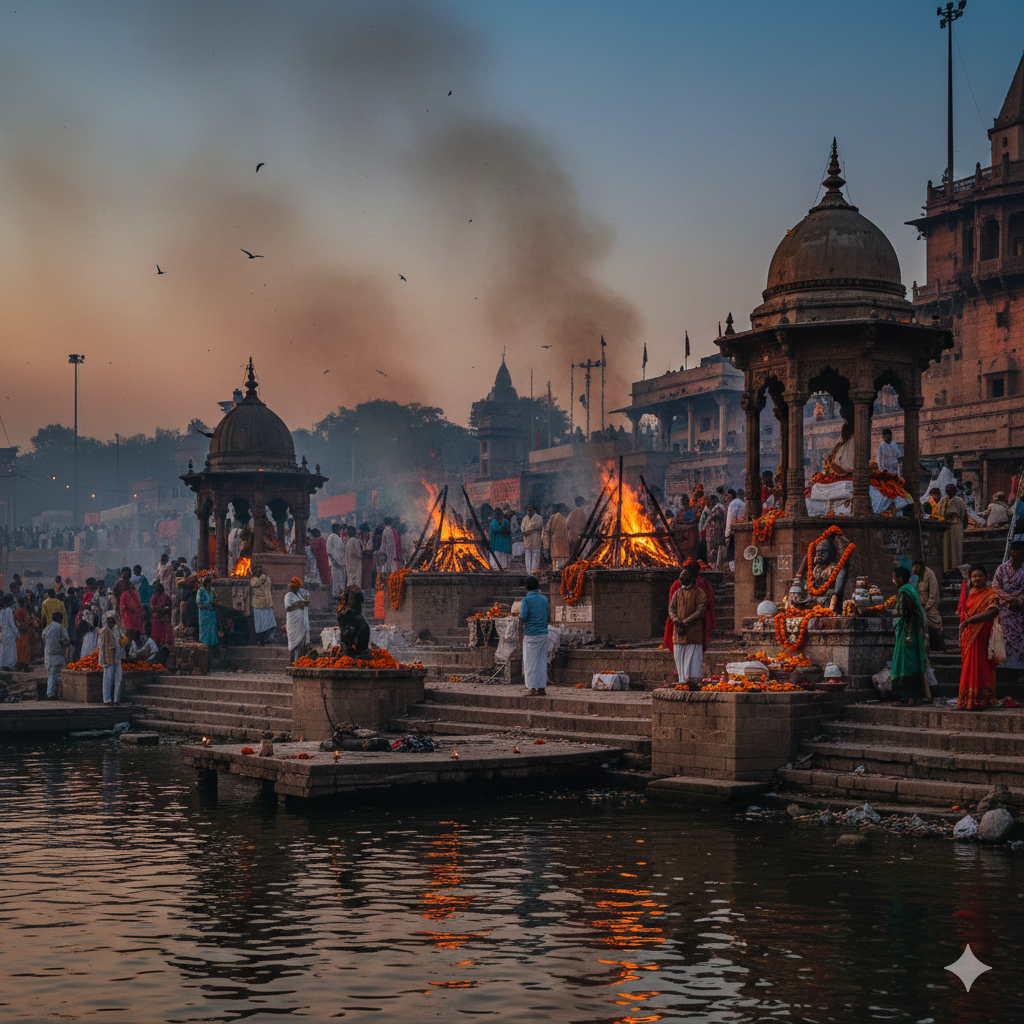
Cremation in Mumbai can feel overwhelming, but you can find respectful, reliable services that match your cultural and practical needs. You can arrange either electric or traditional wood cremations, with providers handling transport, pandit services, paperwork, and the crematorium booking to ease the process for your family.
This article will walk you through what typical cremation services in Mumbai include and how to compare crematoria so you can pick an option that fits your beliefs, budget, and timing. Expect clear guidance on service types, costs, and practical steps to make informed decisions when you need them most.
Overview of Cremation Services in Mumbai
You can expect a range of service types, clear steps to book and manage rites, and specific documents required by municipal and hospital authorities. Costs, timings, and transport options vary by provider and location.
Types of Cremation Services Available
Mumbai offers traditional open-air pyre cremations at municipal ghats and modern electric furnace (electric crematorium) options in most suburbs. Municipal ghats like Chandanwadi and Bhandup handle large volumes and follow Hindu rites; electric crematoria provide faster, cleaner cremation and are widely used for urban families.
Private providers offer door-to-ghat transport, air repatriation, and full-service packages (hearse, pallbearers, priest, puja materials). You can also book timed slots, book pre-paid packages, or choose minimal services (basic transfer and cremation certificate). Costs range widely: municipal fees are lowest, private full-service packages include added logistics and staff.
Process for Arranging Cremation
First, obtain a medical certificate of death from the treating hospital or doctor; the hospital often helps initiate formalities. Contact the crematorium or your chosen provider to reserve a slot and arrange transport—most crematoria accept walk-ins but peak times require booking.
On the day, present the death certificate, ID of the person arranging, and any police no-objection certificate if applicable. Private operators can handle vehicle permits, stretcher teams, priest, and puja items; municipal services typically require you to bring any ritual items. Expect processing time of 1–3 hours at municipal sites; private facilities are often faster.
Legal Requirements and Documentation
You must register the death at the local municipal office (BMC) within 21 days; hospitals typically file this when death occurs in their care. Obtain the official Death Certificate (Maharashtra government form), which you need for cremation, bank, and insurance processes.
If death occurred outside medical care or under suspicious circumstances, the police will issue a clearance or FIR and you’ll need a No Objection Certificate (NOC). For repatriation of ashes or bodies overseas, collect the embalming certificate, cremation certificate, and passport/consular documents required by airlines and foreign consulates. Keep copies of ID (Aadhaar or Passport) of the deceased and the person arranging the rites.
Choosing a Crematorium in Mumbai
Focus on proximity, available facilities, and transparent pricing to match your family’s needs and religious practices. Prioritize a crematorium that reduces travel time, offers the specific type of cremation you require, and provides clear, itemized costs.
Location and Accessibility
Select a crematorium within 30–60 minutes travel from your home or hospital to limit stress and delay. Check road access at different times of day; Mumbai traffic can add 30–90 minutes to short distances. Confirm parking for a hearse and several family vehicles, or ask if the facility provides vehicle coordination.
Verify public transport links if some relatives will arrive by train or bus. Confirm wheelchair access and ramps for elderly or mobility-impaired family members. If you expect many attendees, ask about nearby waiting areas, shaded outdoor spaces, and overflow arrangements.
Facilities and Amenities
Identify whether the crematorium offers electric (electric furnace) and traditional wood pyre options, and make sure the chosen type aligns with your religious preferences. Ask whether the facility provides a pandit/priest room, changing area, and private prayer hall for rituals.
Confirm availability of basic amenities: clean restrooms, drinking water, and sheltered seating. Ask about refrigeration or mortuary hold times if there’s a delay before rites. Check for digital services like live streaming, recorded ceremonies, or an electronic schedule board to help distant relatives participate.
Costs and Packages
Request an itemized price list that separates facility fees, pyre or electric furnace charges, priest/pandit fees, transportation, and paperwork handling. Compare quotes from at least three crematoria to spot hidden costs such as night-hour surcharges or extra fees for elaborate rituals.
Look for packaged options that bundle transport, pandit services, and documentation processing if you prefer a single payment. Ask about concessions for low-income families or hospital coordination agreements that may reduce transfer fees. Insist on a written receipt and cancellation/refund policy before committing.