

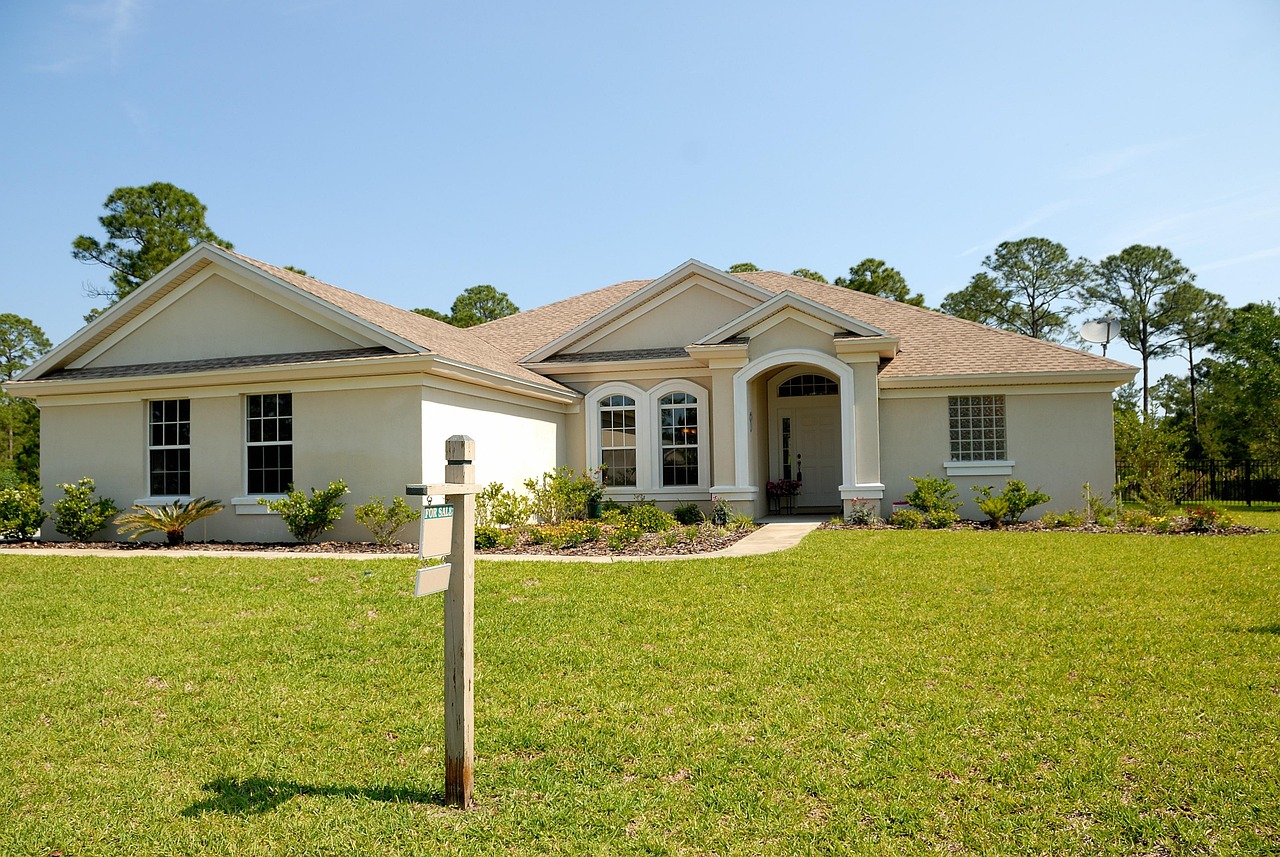
A home value estimate provides a clear idea of what a property is worth in the current market. It uses recent sales data, property details, and local market trends to calculate an accurate figure. This estimate helps homeowners make informed decisions about selling, refinancing, or investing in their property.
Various online tools and professional services offer instant home value estimates by analyzing real-time data and neighborhood activity. These resources make it easier to understand the market without requiring extensive real estate knowledge.
Homeowners benefit from knowing their home’s estimated value to evaluate opportunities and plan their next steps confidently. The accuracy and convenience of these estimates continue to improve with advancements in technology and data analysis.
Understanding Home Value Estimates
Home value estimates provide a snapshot of a property’s worth based on data and market conditions. These estimates use various methods and factors to approximate what a home could sell for in the current market. Understanding how these figures are derived helps homeowners and buyers make informed decisions.
What Is a Home Value Estimate
A home value estimate is an approximation of a property’s market worth at a given time. It is typically generated through automated valuation models (AVMs) or professional assessments. These estimates are useful for buyers, sellers, and investors to gauge property value quickly without the need for a formal appraisal.
Such estimates are not official appraisals but rely on historical sales, property details, and market trends. Many online tools allow users to input basic information like address, square footage, and property type to get instant valuations. While convenient, these figures may vary slightly from actual sale prices due to market fluctuations and unique home features.
How Home Values Are Calculated
Home value calculations combine quantitative data with market insights. Automated systems analyze recent sale prices of comparable properties (comps) in the neighborhood. They adjust for differences in size, age, and condition to form a baseline value.
Some platforms incorporate additional inputs such as tax records, property type, and local real estate trends. Professional agents may also factor in subjective elements like curb appeal and renovation quality when refining estimates.
The process involves
- Comparing similar homes sold recently
- Considering property tax assessments
- Adjusting for market demand and seasonality
This blend of objective data and expert opinion helps produce an estimate close to market realities but is still a projection, not a guarantee.
Factors That Influence Home Valuations
Several key factors directly impact home value estimates:
- Location: Proximity to schools, amenities, and transport increases desirability.
- Property Size and Layout: Larger homes or favorable floor plans often command higher values.
- Condition and Updates: Well-maintained properties or recent renovations, especially in kitchens and bathrooms, add value.
- Market Trends: Overall supply and demand, economic conditions, and interest rates shape prices.
- Neighborhood Sales Data: Prices of nearby comparable homes strongly influence estimates.
Other influences include lot size, age of the property, and zoning restrictions. These elements collectively inform valuation tools and agents when determining a home’s likely sales price.
Methods for Getting an Accurate Home Value Estimate
Estimating a home’s value involves several methods that vary in precision, cost, and effort. Each method relies on different types of data, such as market trends, property features, and professional expertise. Understanding how these approaches work helps in selecting the best option for a reliable estimate.
Online Home Value Estimators
Online estimators provide quick, free, and user-friendly home value approximations. They use algorithms that analyze public records, recent sales data, and market trends. These tools are ideal for homeowners seeking a fast snapshot of their property’s worth without hiring professionals.
However, they often lack granular local insights and may not account for unique home features or current conditions. The results can vary widely between different platforms because of differing data sources and calculation methods.
Online estimators work best as preliminary guides rather than definitive appraisals. For accuracy, users should cross-check multiple tools and consider more thorough methods if making major financial decisions.
Appraisals by Licensed Professionals
Licensed appraisers perform detailed evaluations of a property’s value, combining physical inspections with market research. They consider structural condition, features, improvements, and neighborhood factors.
Appraisals are typically required by lenders during sales or refinancing to ensure loan security. These reports are comprehensive, backed by professional standards and local market expertise, providing one of the most accurate value assessments.
The process involves a fee and can take several days to complete. Despite the cost and time, appraisals offer high reliability and legal defensibility, making them essential for transactions where precision matters most.
Comparative Market Analysis
Real estate agents use Comparative Market Analysis (CMA) to estimate home value by examining recently sold properties with similar characteristics in the same area. CMAs focus on size, age, condition, and location factors that influence market demand.
This method provides practical pricing insights based on real data and current buyer interest. It helps sellers set competitive prices and buyers understand market value ranges.
The accuracy of a CMA depends on the agent’s expertise and the availability of comparable sales. It is less formal than an appraisal but more tailored than automated online estimators.
Limitations of Different Valuation Methods
Each home valuation method has inherent limitations that affect accuracy. Online tools often overlook nuances like renovations, damage, or unique home features. Their data may be outdated or incomplete.
Appraisals, though precise, are time-consuming and costlier, making them impractical for casual inquiries. They also represent a snapshot in time and can vary slightly between appraisers.
Comparative Market Analysis relies on market activity and agent skill; a weak or slow market can limit reliable comparisons.
Homeowners should weigh these factors when choosing a method and consider combining approaches for more confidence in their home’s estimated value.